

Working together for resilient cities: STAD/STRAKS 2025
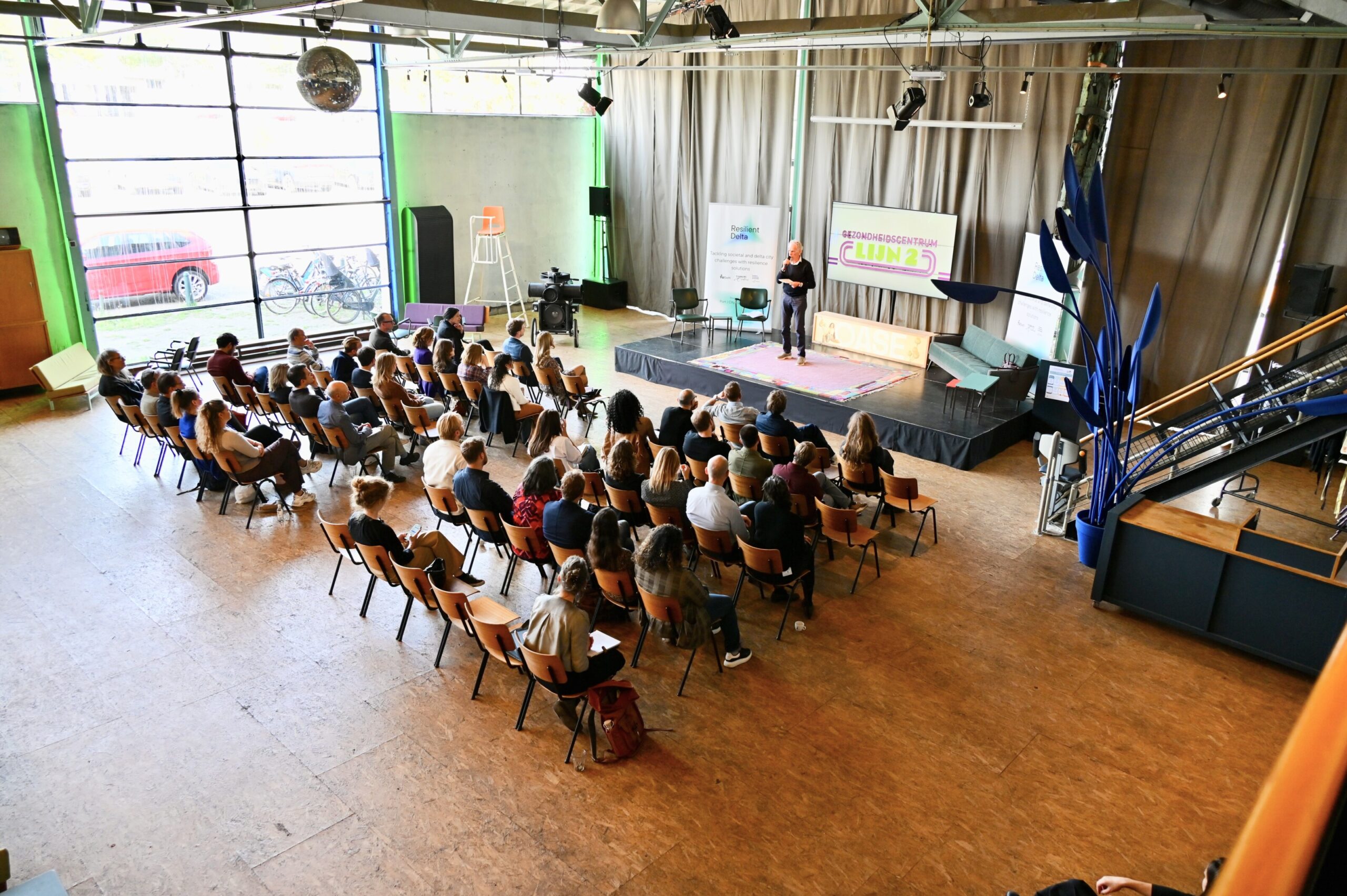
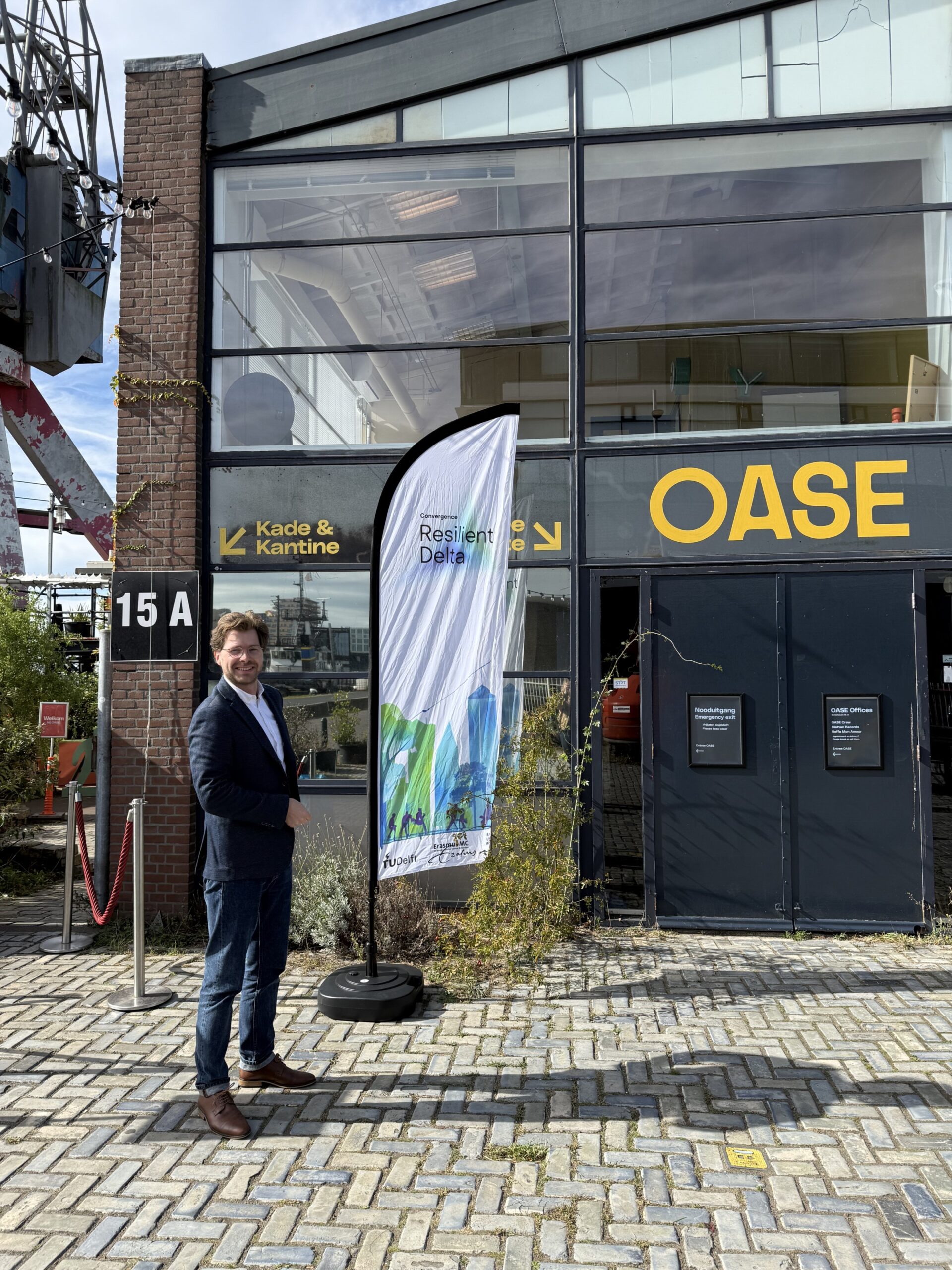
On 25 September 2025, OASE Rotterdam issued an invitation to reflect and take action: STAD/STRAKS, (Stedelijke Transitie, Rechtvaardig en Adaptief voor Klimaat en Samenleving) or Urban Transition, Fair and Adaptive for Climate and Society, brought together researchers, policymakers, entrepreneurs, concerned residents and others to work together on creating a resilient city.
An inspiring opening
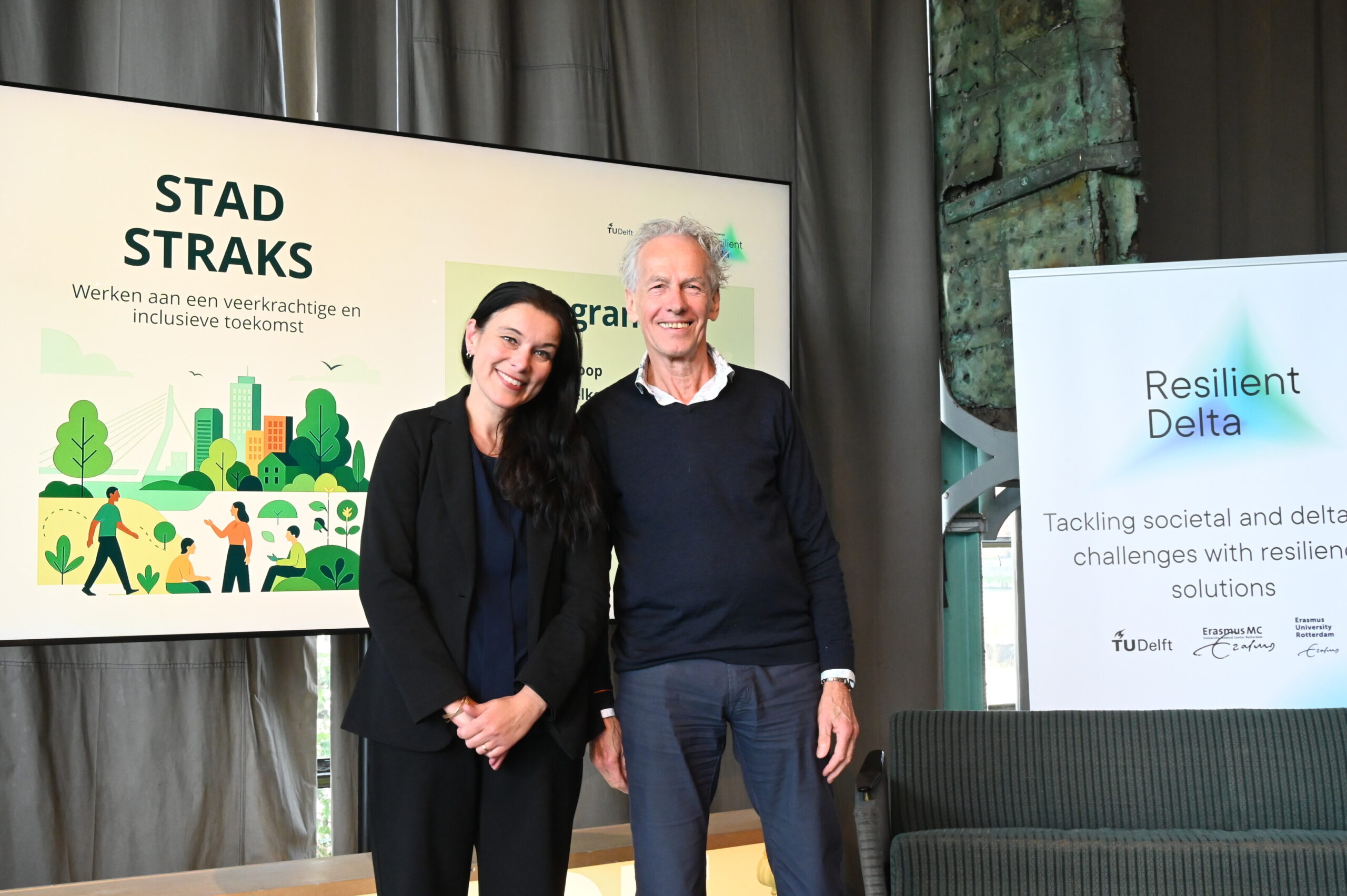
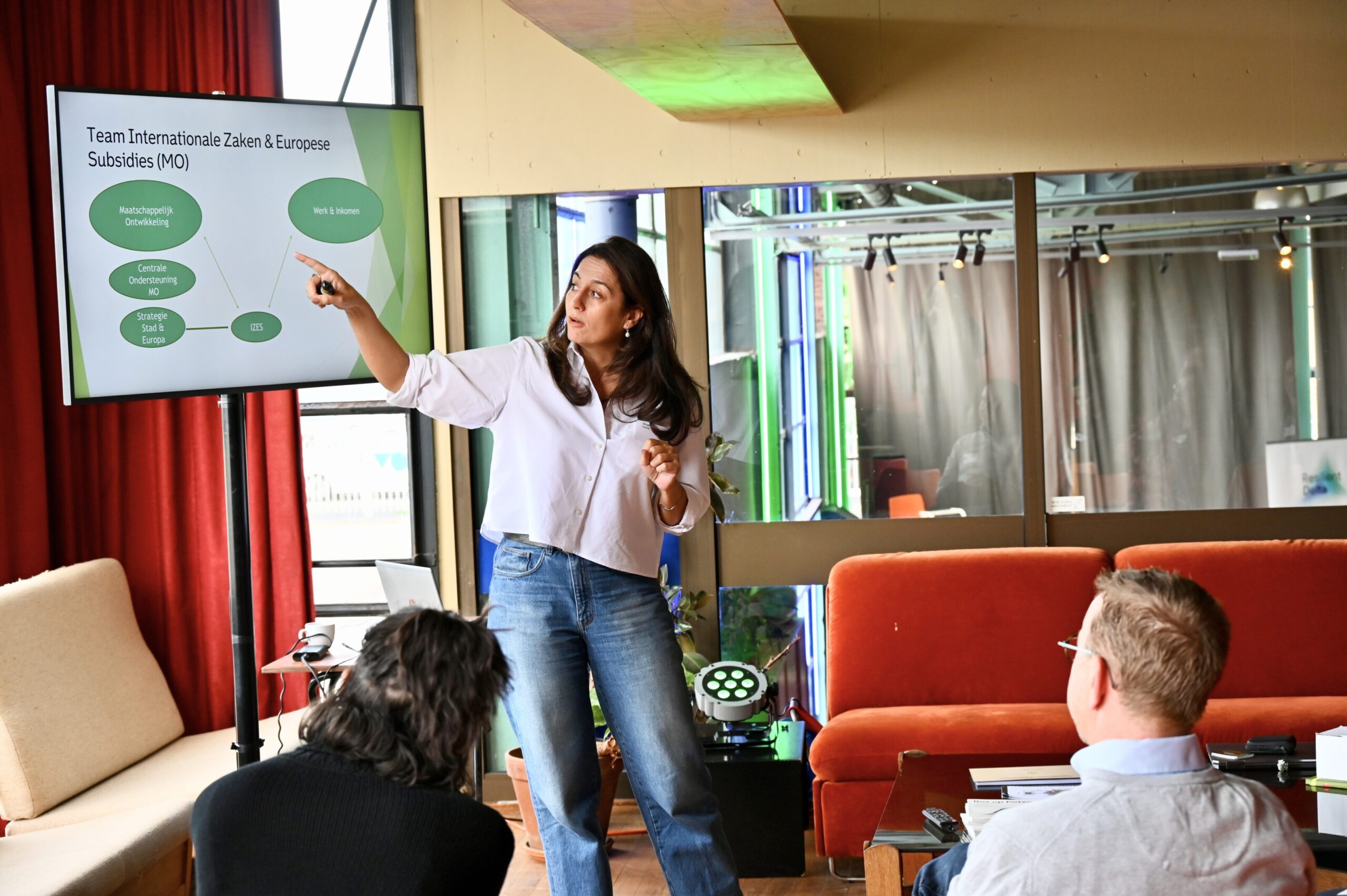
The afternoon kicked off with two keynote speakers who set the tone for what followed. Nicole Rijkens Klomp took the audience on a journey through the necessity of resilience: how do we make cities resistant to shocks, whether climate-related, social or economic? Jan Galesloot then brought a human dimension to the stage: he argued for an integrated, empathetic view of health in an urban context, in which people’s well-being cannot be viewed separately from the physical and social structures that surround them.
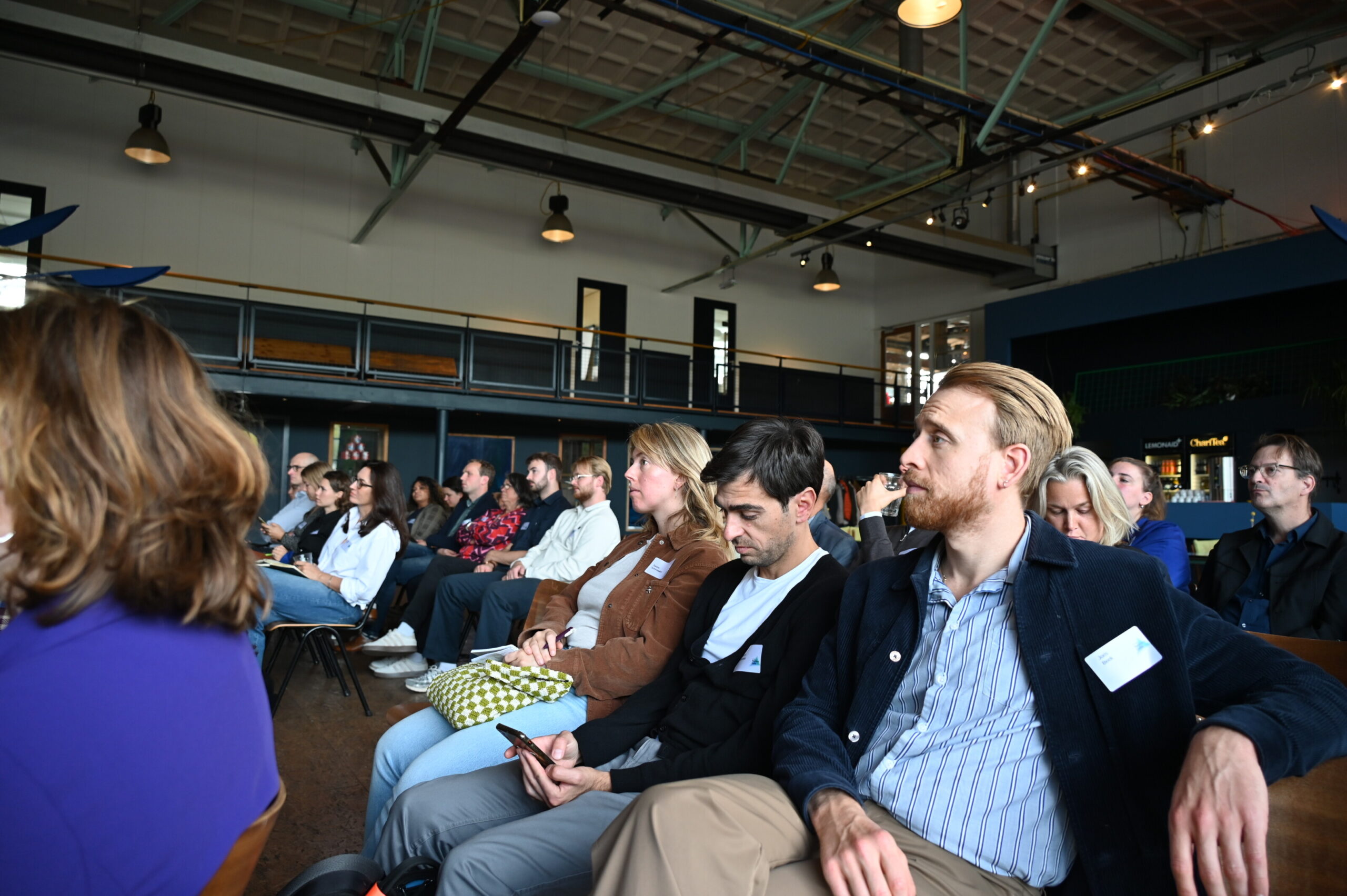
With these ideas in mind, participants delved into four breakout sessions, each focusing on a core theme that fits into the big puzzle of urban transition:
The Green City – led by Tom van den Wijngaard and Müge Demir: how do we bring more nature, biodiversity and climate adaptation into the urban environment?
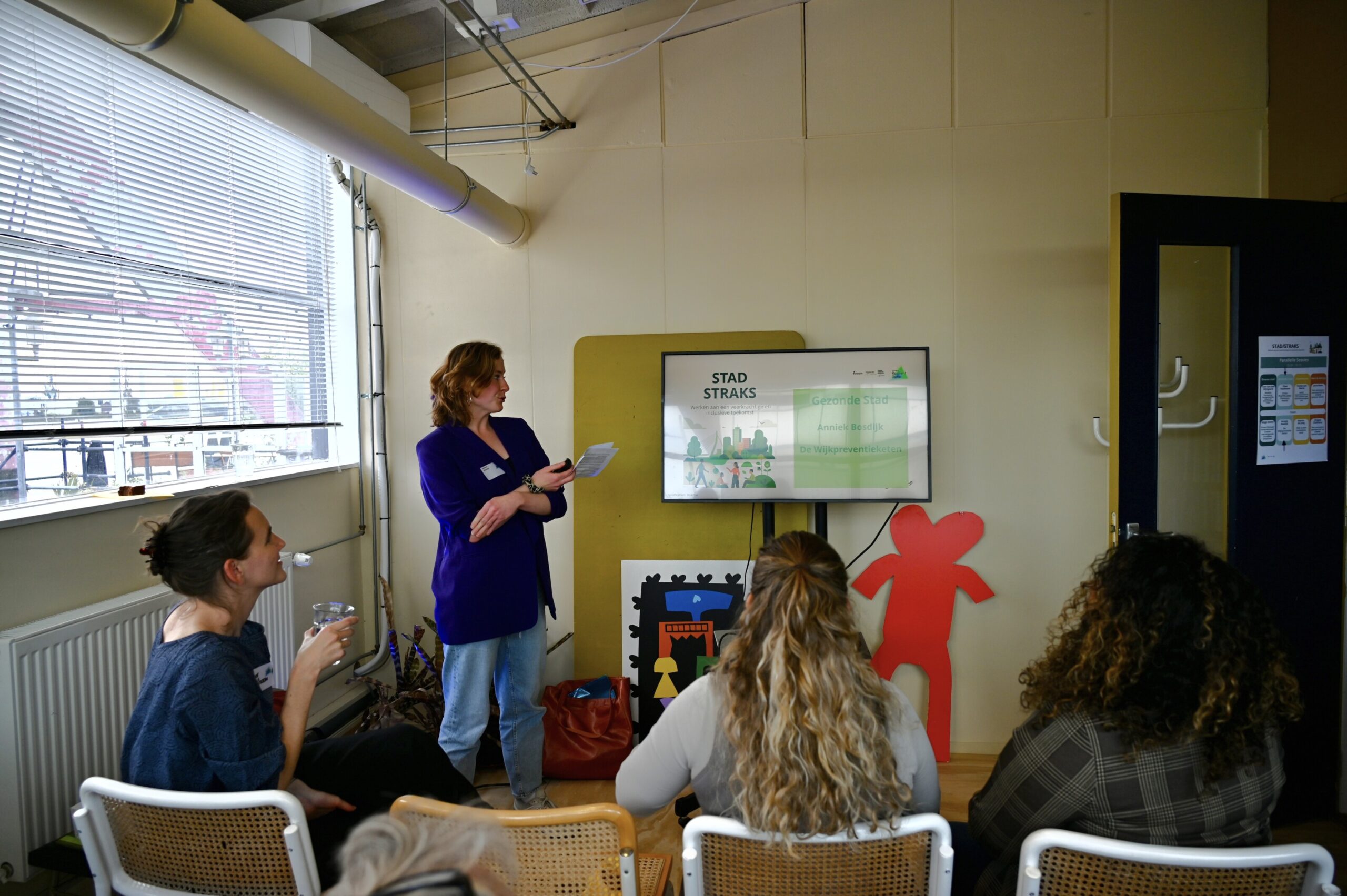
The Healthy City – with Floor Haalboom and Anniek Bosdijk: where is the intersection between public health and urban design?
Future of Governance – led by Fenna van Marle and Martin de Jong: which governance models can do justice to complexity and inclusivity?
Work & Wellbeing – led by Dragos Ciulinaru and Joris Beek: what insights does a personal perspective on work and wellbeing offer?
You can only truly understand urban policy if you spend a long time working with policymakers and residents.
“Urban policy is full of emotion”
As Fenna van Marle and Florian Goldschmeding emphasise in their interview on Convergence.nl, urban policy is complex and rarely purely rational. Emotions, values and personal involvement colour how policy is formulated and implemented. Van Marle: ‘You can only really understand urban policy if you spend a long time working with policymakers and residents.’ Such insights form the heart of STAD/STRAKS: the realisation that urban transitions are not only technocratic, but deeply human.
An interview with Joris Beek and Dragos Ciulinaru will also be published soon, in which they reflect on how an integrated perspective, inspired by practice, can contribute to a fair labour market.
Ideas at the drinks table, plans in the pipeline
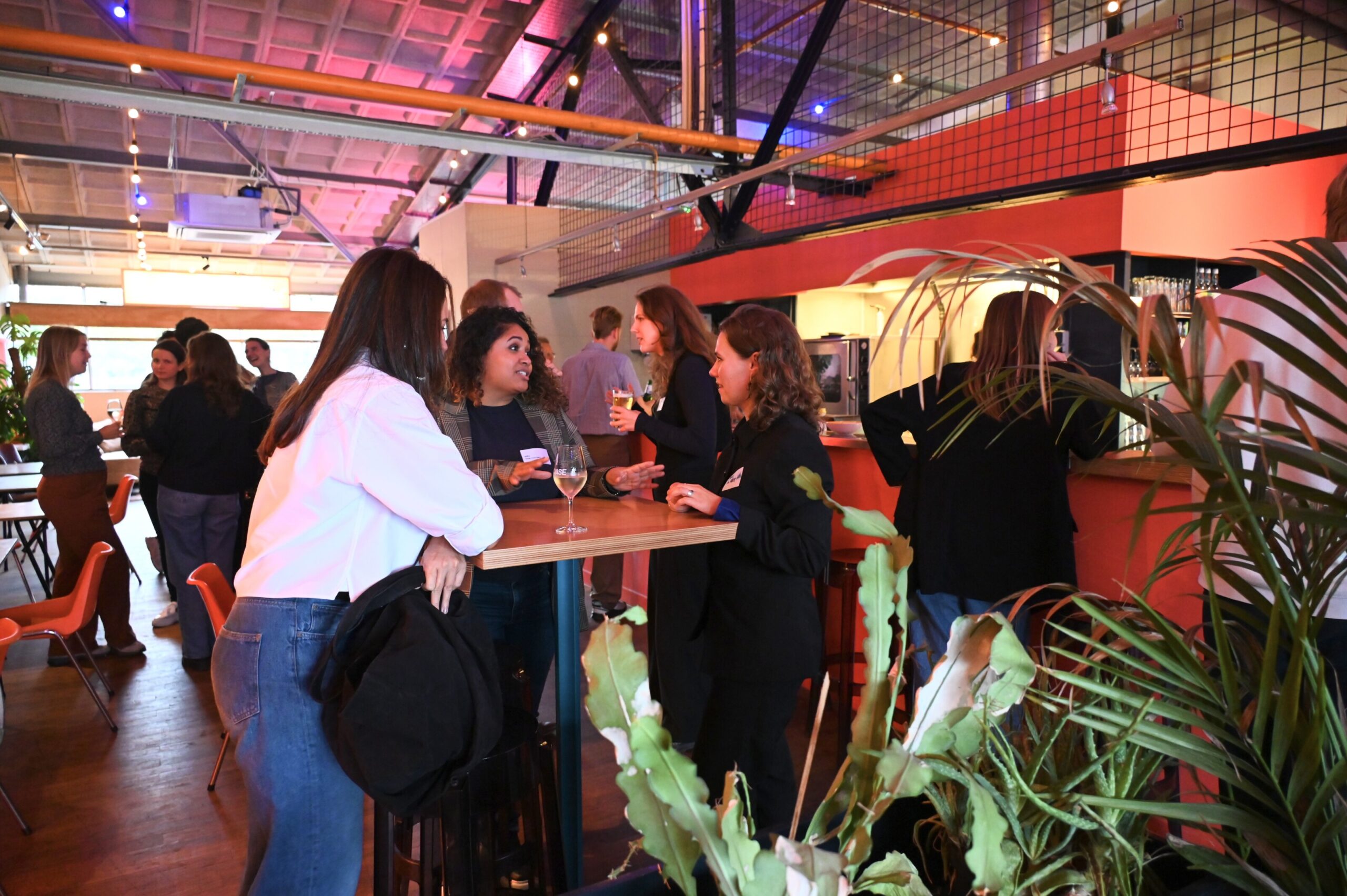
After the sessions, the inspiration flowed effortlessly into conversations, networking moments and concrete plans during drinks. Here, new collaborations were born and tangible ideas were exchanged to develop new transdisciplinary projects. Two projects that received a City Seed Grant earlier this year are already putting current urban challenges into practice:
Hot Homes, Vulnerable Beginnings (Jasper Been, Medha Pfaff): an initiative that addresses heating issues surrounding pregnancy and birth
From Feed to Street (Petra de Jong): a project that focuses on improving (online) interaction between young people and the police
These projects illustrate how ideas on paper are transformed into interventions that are felt in the heart of the city.
What sticks? Transdisciplinarity as a strength
What stuck with many was the atmosphere of cross-disciplinary collaboration: the boundaries between disciplines blurred as participants jointly tackled the complexity of urban transitions. This is not a non-committal aspiration, but a necessity: current urban challenges cannot be captured in a single discipline.
Thanks to all the speakers, participants and OASE Rotterdam for their contribution to this fruitful afternoon. With new energy and shared intentions, we look forward to the next steps. Because in a city, as became clear on 25 September, the future has already begun – one that we are shaping together.
-
![]()
-
Interview
-
Story
-
City
-
Resilient Delta
“Urban policy is profoundly emotional”
Read more -
-
![]()
-
News
-
City
-
Cross-over
-
Resilient Delta
Not a concrete jungle, but a concrete desert: “Heat is a silent disaster for the city”
Read more -
-
![]()
-
Interview
-
News
-
Cross-over
-
Education
-
Resilient Delta
Swapping surveys for volunteer work
Read more -


